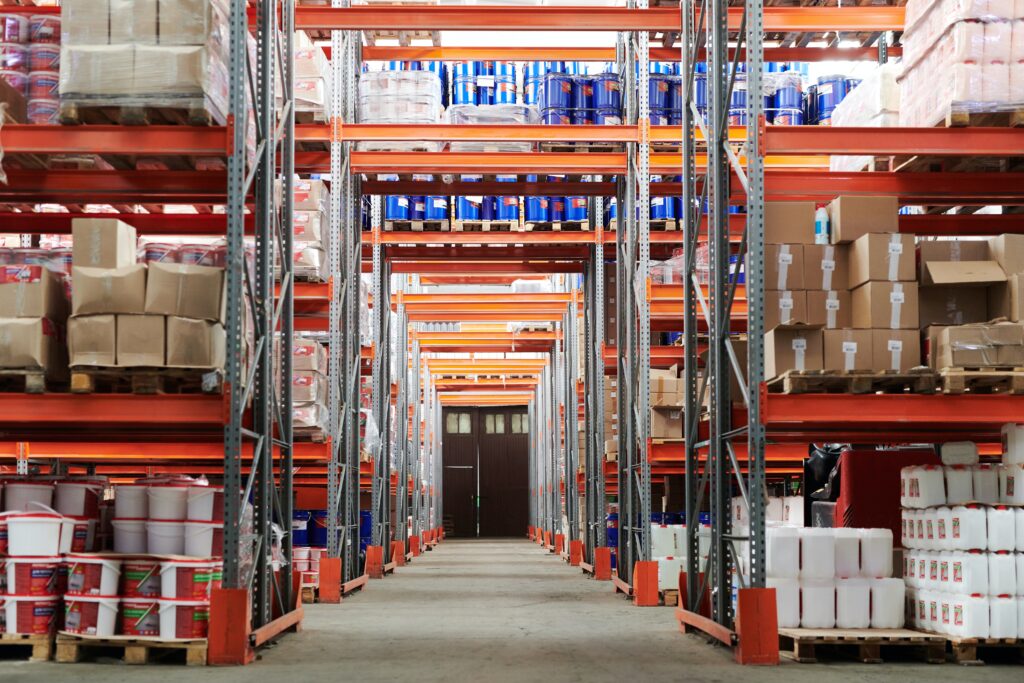
Warehousing is a critical component of modern supply chain management and logistics. It refers to the systematic storage, handling, and management of goods and products within a designated facility, known as a warehouse. Here are some key points to consider in a short note about warehousing:
Storage and Organization: Warehouses are designed to efficiently store a wide range of goods, from raw materials to finished products. They provide a structured environment where items can be organized, sorted, and readily accessed when needed.
Inventory Management:Warehouses play a central role in inventory management. They help businesses keep track of stock levels, monitor product expiration dates, and reduce the risk of overstocking or stockouts, ensuring a consistent supply of goods to customers.
Distribution Hub: Warehouses often serve as distribution hubs, facilitating the timely and accurate shipment of products to customers, retailers, or other distribution centers. They enable companies to meet customer demands quickly and efficiently.
Cost Efficiency: Warehousing allows for economies of scale. By consolidating and storing goods in larger quantities, companies can reduce transportation costs and take advantage of bulk purchasing discounts.
Risk Mitigation: Warehouses provide a controlled environment that helps protect goods from damage, theft, and adverse weather conditions. This safeguarding of inventory reduces the risk of financial losses.
Value-Added Services: Many warehouses offer value-added services such as labeling, packaging, quality control, and customization. These services can add significant value to products and enhance the customer experience.
Strategic Location: Warehouse locations are strategically chosen to optimize the flow of goods. Proximity to suppliers, transportation hubs, and key markets can greatly impact the efficiency of a supply chain.
Technology Integration: Modern warehousing relies heavily on technology, including inventory management software, automated material handling systems, and data analytics. These tools enhance efficiency, accuracy, and visibility.
Adaptability: Warehouses must be adaptable to changing market demands. They should have the capacity to scale up or down, depending on business needs, and accommodate seasonal fluctuations.
Sustainability: Sustainable warehousing practices, such as energy-efficient lighting, recycling, and eco-friendly packaging, are increasingly important in reducing the environmental impact of logistics operations.
In summary, warehousing is a vital link in the supply chain that facilitates the storage, management, and distribution of goods. It plays a pivotal role in ensuring the availability of products, optimizing logistics, and enhancing overall operational efficiency for businesses in various industries.